

9 Extremely Helpful Tips When Trying for Pregnancy
This post is about the best tips when trying for pregnancy.
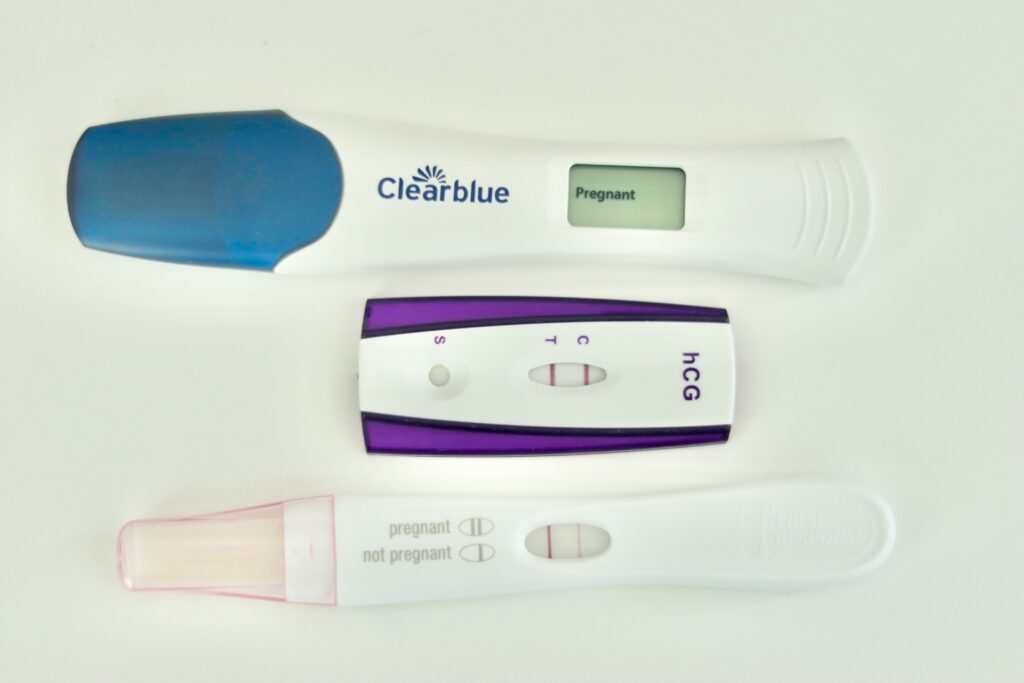
If you are wondering what the best way to get pregnant naturally is, you have come to the right place. Whether this is your first time trying to conceive or your 10th time, there is a plethora of tips to conceive that have the potential to help you reach your goal.
After having read many books on fertility and fertility health, I am convinced that the answer to how to increase your chances of getting pregnant lies within us (and our partners’, of course!).
My fertility journey has been just that… a journey. I know what it’s like to feel like you will never get the answers you need.
I hope this article is just the beginning of a beautiful journey where your fertility is in your hands again 🤍.
Best Tips for Trying to Conceive
1. Best Foods for Female Fertility
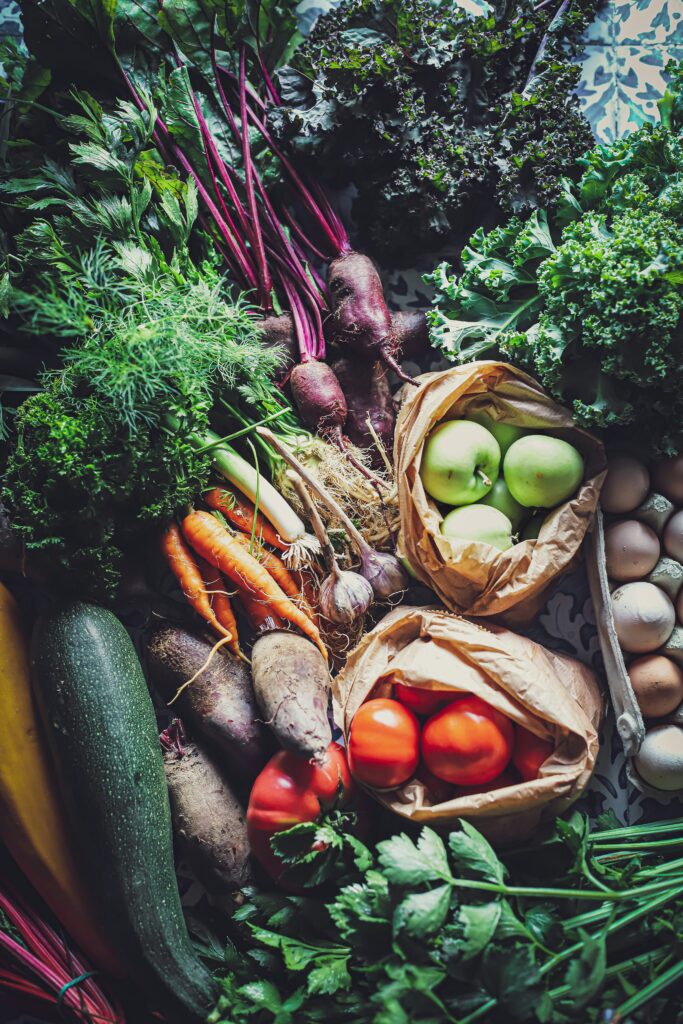
There is such a thing as a diet that significantly helps improve fertility, as much as there is a diet known to reduce fertility meaning the foods we eat directly affect our ovulation health, our hormonal health, and our liver health.
One of the main drivers for infertility is a high glycemic diet.
What is a high glycemic diet?
Carbohydrate-containing foods are ranked with a glycemic index score of 0-100. This is based on how quickly these foods spike our blood sugar levels.
The scale is relative to glucose, which has a glycemic index of 100.
Low glycemic foods have a glycemic index <55.
High glycemic foods have a glycemic index ≥ 70.
A low glycemic index diet (LGID) is known to improve insulin resistance and androgen levels in women.
Androgens are hormones within the testosterone family. They tend to be elevated in individuals with PCOS, causing symptoms like acne and excessive hair growth throughout the body.
On the contrary, research shows that the total carbohydrate intake, as well as total dietary glycemic load is positively connected to ovulatory infertility.
Ovulatory infertility may include things like PCOS, anovulation (lack of ovulation), and oligo-ovulation (infrequent ovulation), amongst others.
The solution: Aim for healthy carbohydrates with a low glycemic index (<55). Foods with a low GI include: Dark leafy greens, sweet potato, pumpkin seeds, lentils, watermelon, cauliflower, potato, berries, and broccoli, to name a few. These foods could increase fertility naturally and be extremely helpful when trying for pregnancy.
Reducing the number of sugary drinks consumed per week can also help achieve a lower glycemic index load. Interestingly, recent study showed that women who had 7 or more sugary drinks per week (or one sugary beverage a day) took 20% longer to conceive.
Even though making dietary changes can be quite challenging, rest assured of the benefits of choosing foods that better sustain energy and well-being.
2. Opening Detox Pathways

A 2024 study published in the Global Reproductive Health Medical Journal observed that detoxification of the body increased the chances of pregnancy.
Although we have all heard, and perhaps done, some sort of juice cleanse or other forms of detox, the complete elimination of toxins from our bodies is just as important as the detox component.
Many times during a quick 3-5 day detox, toxins are effectively released from our organs, tissues, and bloodstream – but they don’t always make their way out of the body, further accumulating.
A quick and effective way to ensure these toxins are completely out is to open our detox pathways. We can do so by stimulating our lymph nodes to let them know it is time to get to work.
The lymphatic system does not have its own pump as the heart does for flow; it is actually through movement (like exercise or lymphatic drainage massages) that toxins are pumped out.
The solution: Pair regular walks around the block with lymphatic massages. This could be extremely beneficial to ovarian lymph nodes. One study showed that in rats, ovarian lymph node obstruction led to higher levels of oxidative stress in ovarian cells, leading to more premature oocyte deaths.
TIP: A little goes a long way. Aim for consistency over intensity.
3. Endocrine Disruptors
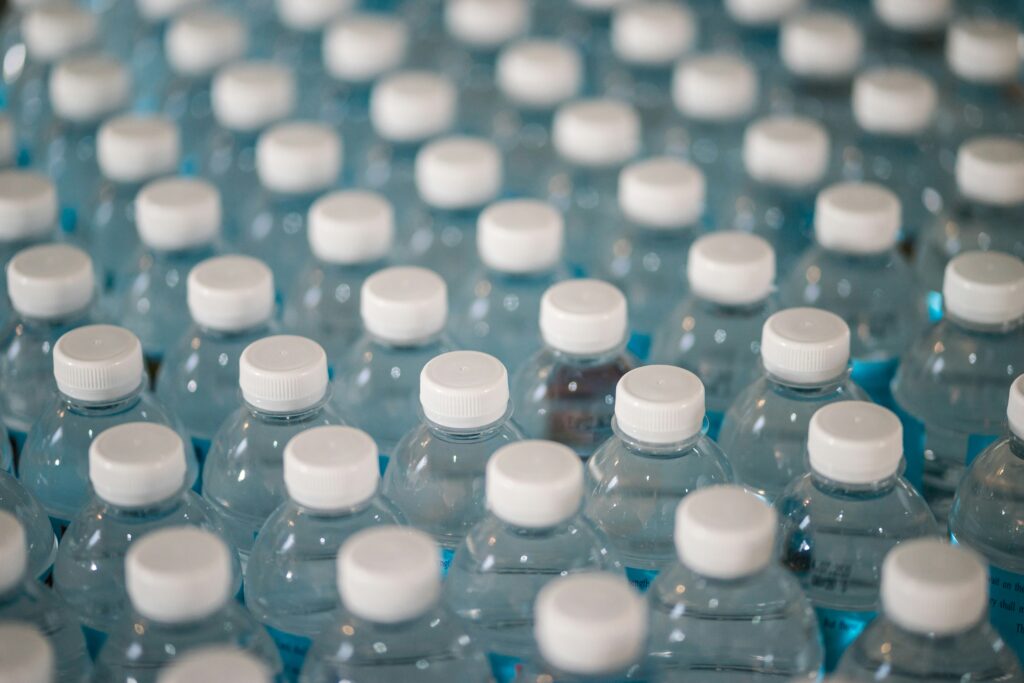
Endocrine disruptors are chemicals that are introduced into the body (usually through everyday items like plastic water bottles, household cleaning products, perfume, and others) that mess with our endocrine system.
Our endocrine system is responsible for releasing necessary hormones into our bloodstream to live, function, and reproduce.
One endocrine disruptor in particular, Bisphenol A (BPA), has been shown to mimic estrogen in the body (a xenoestrogen). This then confuses the body into thinking it has more than enough estrogen already, decreasing its natural production of human-made estrogen in the ovaries.
With less estrogen being produced by the ovaries, lower-than-optimal peaks of estrogen are observed prior to ovulation.
Other common endocrine disruptors are chloronated hydrocarbons which are commonly found in household cleaners, degreasers, and pesticides.
Multiple studies have found a link between chloronated hydrocarbon exposure and endometriosis, fibroids, and recurrent miscarriages.
The solution: Be extra cautious when using things like glue/adhesives, degreasers, aersol sprays, products with “fragrance/parfum” in the ingredients list, etc. If you feel comfortable, completely toss these products out of your home safely. You may be surprised by how quickly you may start feeling better.
Side note: Branch Basics has an amazing course on identifying and tossing toxins. You can find their free resource by clicking this link. They used to charge for their course but now it is completely free so take advantage! You won’t regret it (:
4. Organic Food
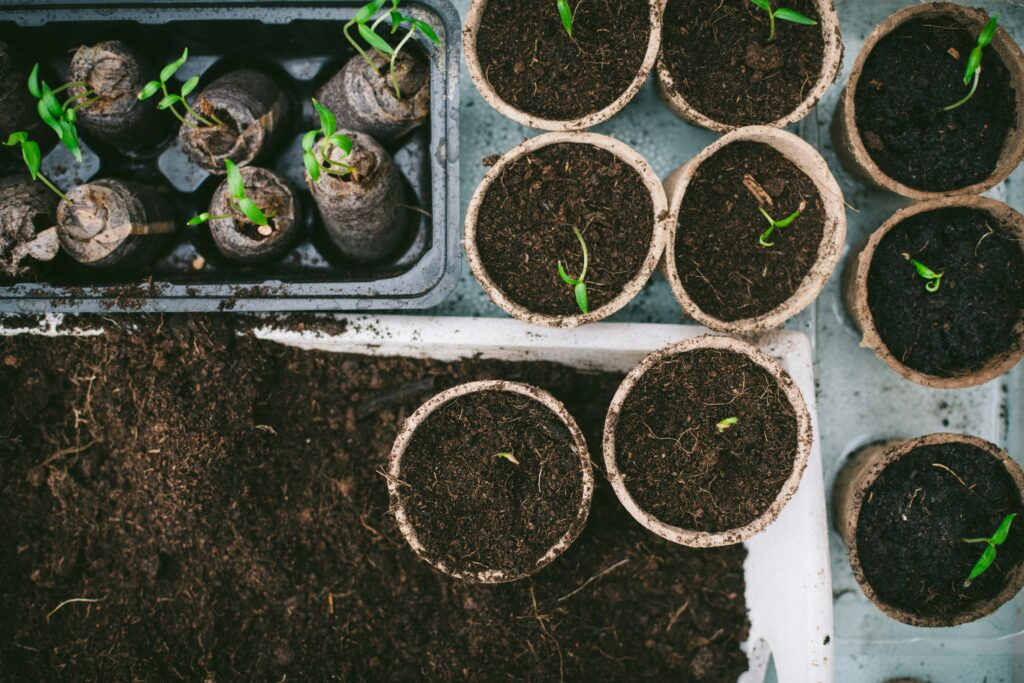
By now you may be noticing a pattern here: harmful versus better. When it comes to organic versus non-organic, the benefit of cleaner produce and other food products is unmeasurable.
What’s the hype on organic food?
One word: Glyphosate.
Glyphosate is a weed killer, famously found in Roundup.
Though glyphosate is highly effective at getting rid of our pesky weeds, it causes MAJOR disruption in our fertility.
It alters blood flow and nutrient absorption in our ovarian cells, for example.
No thanks!
The solution: Aim for glyphosate free food. Less herbicides and pesticides will ease the toxin load in our bodies so it can focus on how to boost fertility rather than trying to cope with harmful chemicals overriding our systems day in and day out.
5. Animal Food Products

This is a yummy segment. In fact, aiming to increase fertility + trying to conceive does not mean a bland, boring diet. It is actually quite the opposite!
Ever since companies like Crisco, a vegetable oil company, were founded, there was a significant push away from animal fats and animal food products in general to the “healthier” vegetable oils.
The issue with vegetable oils is that although their oils are healthy in its natural form (within the seed), once that oil is extracted from the seed you could almost immediately consider it rancid. What was once anti-inflammatory is now very inflammatory outside its natural state.
The solution: One of my biggest tips for trying to conceive, is to aim for nutrient-dense foods, such as: whole fat milk, whole fat cottage cheese, meat, poultry, fish, etc.
One caveat: Quality matters. For best results and to feel more energized than ever aim for organic, pasture-raised meat, poultry, dairy, eggs, beef tallow and pork lard. Your ovaries will thank you (;
6. Sun Exposure

According to a recent study analyzing conception rates during different times of the year, they found significantly higher rates of conception on the days with greater amounts of sunshine. This reflects the wonderful impact infrared and near-infrared light has on our systems.
The best part? You only need 15 minutes outside in the sun to obtain all the benefits our sun has to offer.
Benefits of Sunlight Exposure on Fertility:
– Increases mitochondrial function (increases energy production in eggs cells)
– Reduces inflammation
– Balances hormones
– Improves blood flow to ovaries
Potentially improving overall ovary health and implantation receptivity
7. Menstrual Cycle Tracking

This may be the most technical part of the article but the goal is to set you up with at least a core foundation when it comes to menstrual cycle tracking!
I absolutely love period tracker apps. I have at least two downloaded on my phone as we speak! However, something we must remember is that the application on our phone has its limitations. The more data you input the better it will get to know you and your specific menstrual cycle patterns, but that takes times. Months even. Sometimes even years if you have irregular cycles.
The solution: Learn about the tried and true fertility signs you can fall back on when trying to conceive.
It is important to note that women’s fertile window is usually 6 days. 5 days where the body is able to keep sperm alive as it awaits the release of a mature egg, and the 1 days of ovulation that typically lasts 24 hours.
With that said, it is extremely helpful to know with assurance which of the 6 days are the most optimal for conception out of all the other days of your cycle.
Helpful Fertile Signs to Know
CERVICAL MUCUS (CM)
– Egg white or watery CM are the most fertile types of CM (aka supports sperm survival)
BASAL BODY TEMPERATURE (BBT)
– This will normally show as a peak increase in basal body temperature. This peak + 3 additional days of high BBT readings (compared to the previous days) confirms ovulation successfully occurred.
CERVICAL POSITION
– One of the more challenging fertility signs to track but it just takes practice.
If you are in your fertile window, your cervix (yes, you have to get in there and check) will feel higher up the vaginal canal, will feel soft and wetter.
Given the specific rules to consider when using your cycle to try to conceive, I highly recommend this book:
Taking Charge of Your Fertility by Toni Weschler.
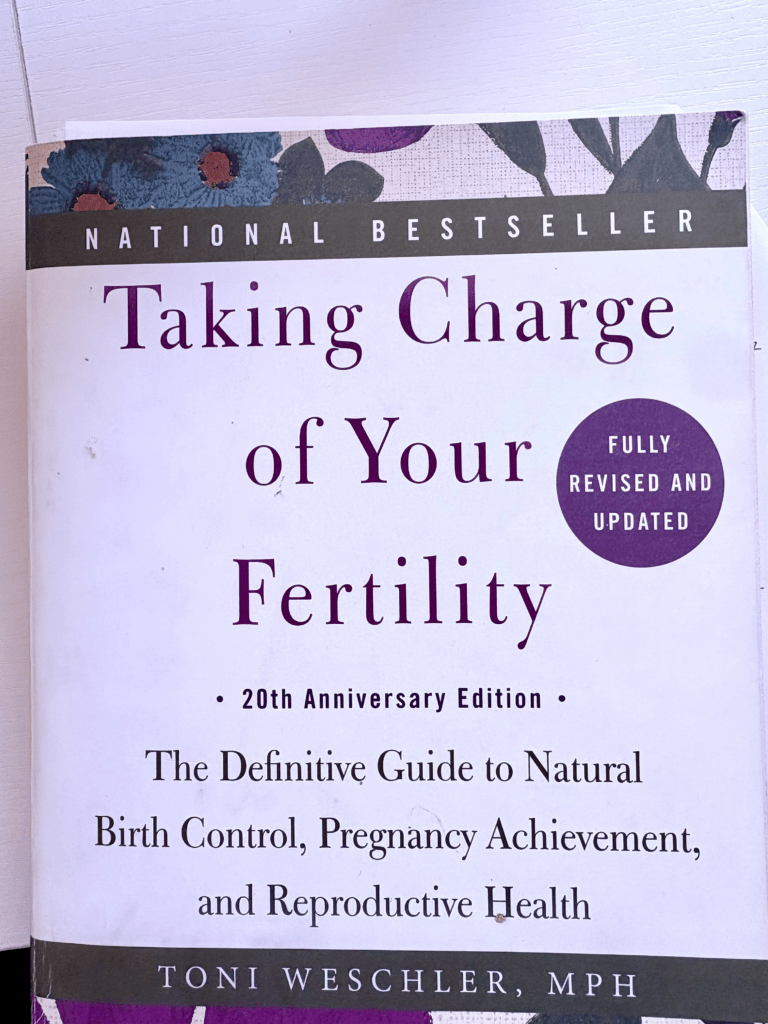
Here is a picture of my paperback copy, a must-have!
Common mistakes made when trying to conceive related to tracking our menstrual cycle:
- Depend solely on last month’s cycle to determine your current month’s patterns. Every month is different. I repeat… Every month is different! We will come across different stressors, perhaps more or less sleep than the previous month, or we took medication for a cold the previous month. all these factors could influence our date of ovulation and at times even delays ovulation if it is a big enough stressor on the body.
- Depending on the period app to determine your fertile window. Again, the app only knows so much. It is not tracking your life rhythm and day-to-day changes that influences our hormone health, ovary health, and thyroid function.
8. Can I Take Prenatal Vitamins Without Being Pregnant?
YES! Prenatals are the perfect multivitamin for women of reproductive age for overall wellness, but especially when trying for pregnancy. Simply because vitamins and fertility go hand-in-hand.
I personally love FullWell Women’s Prenatal Multivitamin but if you are on a tighter budget but still want a good prenatal vitamin, I recommend GNC’s Prenatal Bundle with the multivitamin, calcium (super important!), and DHA. I especially love One a Day’s prenatal + choline tablets as a great way to alternate and ensure I am getting enough choline as well.
9. Micronutrient Testing
The truth is most of us will have at least one micronutrient deficiency at some point of our lives.
Although this is common, it is extremely important to test for all important micronutrients for pregnancy to 1) be aware if you are currently deficient in any important mineral and 2) address these deficiencies before trying to conceive or at least simultaneously while trying for pregnancy for the best outcomes for you and baby.
The solution: Test! Test! Test! Normally your primary care and OB-Gyn do not order these tests. Although they could check for other important health markers like thyroid health and overall organ function.
To test I recommend SpectraCell Micronutrient Test. I have personally done my micronutrient testing with SpectraCell and loved my experience. You will just need to find a provider near you for the blood draw and proper interpretation.
The test results take about 3 weeks or so and you receive your results via e-mail. They send you your micronutrient values in addition to an in-depth look at your specific deficiencies, if you have any. They provide you with common symptoms related to the deficiency as well as foods that could help restore your micronutrient stores. Super insightful!
Just so you can have an idea, I added a screenshot of some of my results, so you could see what their analysis looks like.
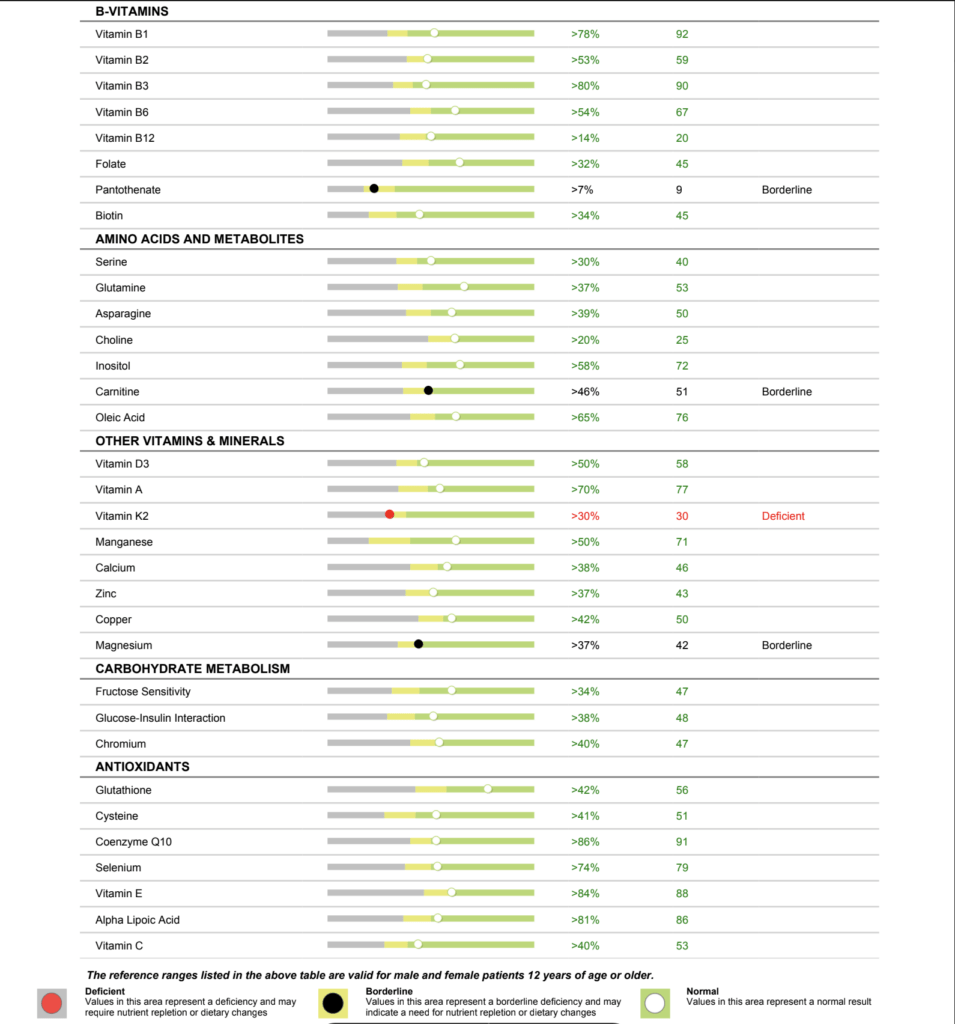
These are all the vitamins they test for. They also provide you with a total immunity score that reflects how strong your immune system is. You could always speak to a SpectraCell provider for further information on your specific results.
As you can see, there is a lot we can do on our end to increase fertility naturally. Whether that is adjusting to a fertility diet, understanding our fertile signs, or being able to answer when are you most fertile? There is something for everyone and most important, there is hope. Don’t give up, it will all be worth your time and effort!