
5 SIMPLE HABITS FOR GREAT HEALTH FOR POSTPARTUM MAMAS
At times, the approach to a new year can be to focus on all the things we don’t have or don’t do, but why not challenge ourselves with a new perspective: from a place of kindness to ourselves, to give ourselves a moment to breathe. In fact, why don’t we try it? Breathe in, 2, 3, 4, breathe out, 2, 3, 4… one more time. Breathe IN… 2, 3, 4. Breathe out… 2, 3, 4…
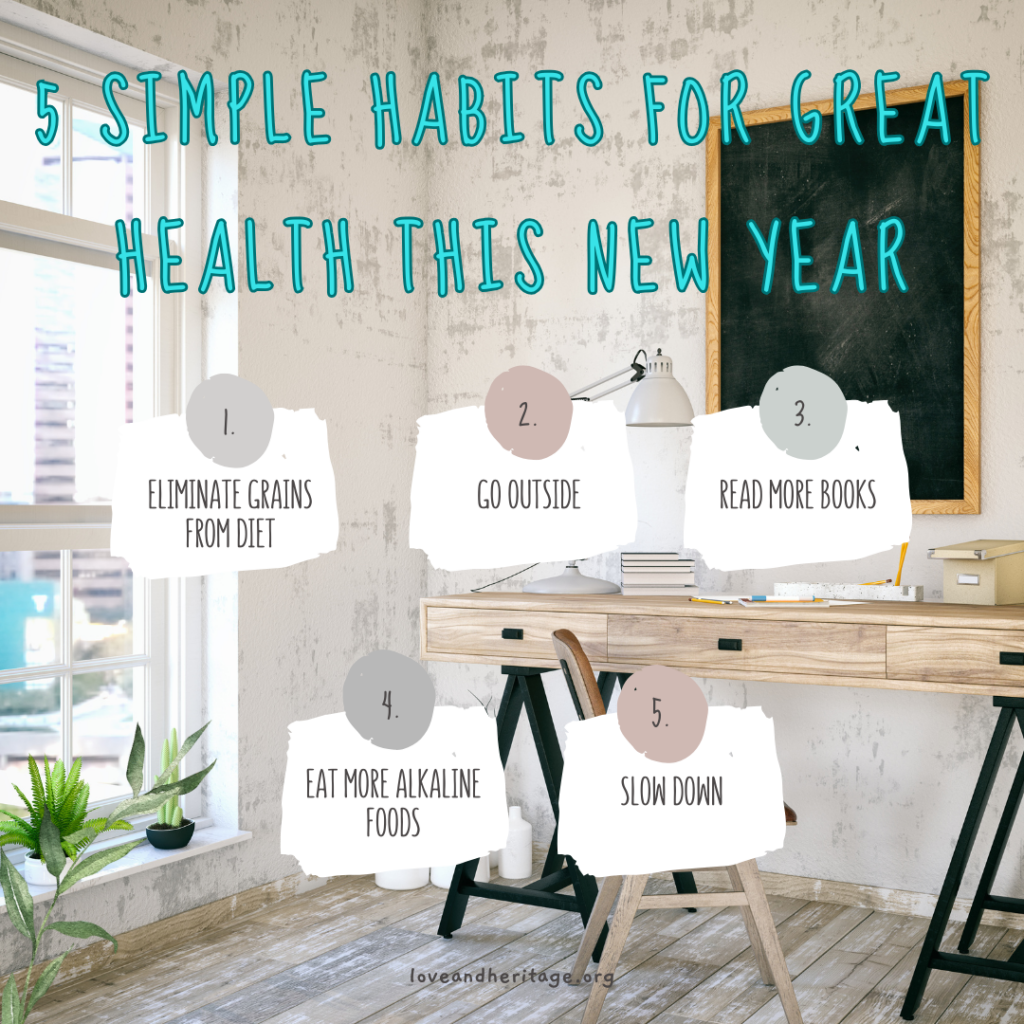
As the title suggests, there are 5 things we can start doing today to dramatically improve our overall health and well-being. The goal for 2026 should be a multi-faceted approach rather one giant (at times unattainable) goal. Instead let’s think of changes can be implemented in various areas of our lives for a more wholesome outcome. Alrighty, without further a due, here are 5 things you can start doing right now for a great and healthy year:
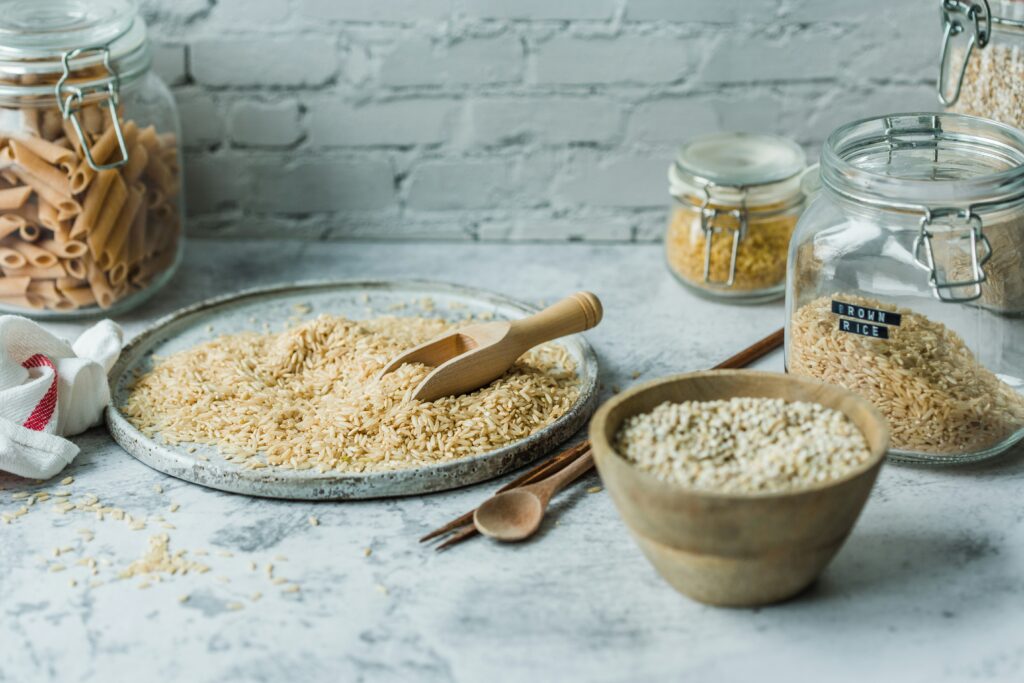
- REMOVE GRAINS FROM DIET
Although this may seem like an odd place to start, I did so because of its importance. I recently removed grains from my diet to help reduce inflammation and my goodness, did I notice a difference instantly! By day 1 I felt less swollen, by day 3 I had more energy and was in a better mood overall. By day 5 I experienced the mental clarity I long desired. Needless to say I quickly realized just how much the daily consumption of grains was affecting my health, my brain function, my mood, and overall wellness.
The word “grain” covers what I call The Three Muskateers: Wheat, Corn, and Rice. It is important to note, however, that our sensitivity to the different types of grains differs between individuals. What do I mean by that? Well, for example, my body is most sensitive to wheat out of the three grains. If I have anything that contains flour, especially bread and pastries my body looks and feels more inflamed. I don’t feel great, my brain fog comes back in full gear, and my emotions? Well, let’s just say it’s no walk in the park for my husband. It does not cease to amaze me just how clueless I was regarding how much wheat was affecting my body. To the point where I figured that feeling crumby (no pun intended) was my new baseline as a momma of two. Yet, the difference in energy and mood radically changed by the elimination of wheat from my diet alone. AMAZING.
Rice and corn may also be triggers for the body, and some people may not be necessarily sensitive to wheat like I am, but they may feel off or extremely fatigued after consuming rice and/or corn on a regular basis.
Now, how do you know if your sensitive to wheat, rice, or corn? The best way to know, aside from some laboratory testing, is to eliminate these foods from your diet. It may seem like common sense, but it truly works. The recommended time frame to notice a sensitivity is around 6 weeks, but I can tell you from experience that if you do have a sensitivity to any one or all of “the three muskateers,” you will notice almost instant relief when removed from your diet (and instant turmoil when reintroduced).
Want to test it out? I provide you with a FREE Printable Food Diary here to record your observations as you start removing these grains from your diet.
Some question I had were: Why are grains bad anyway? Is gluten-free just a trend? Or is eliminating grains something that can truly turn my health around? I can dive deeper into the subject of wheat, corn, and rice in another article and why these three grains are causing so much more harm than good, but to give the gist, I’ll start us off with the cliff notes version here:
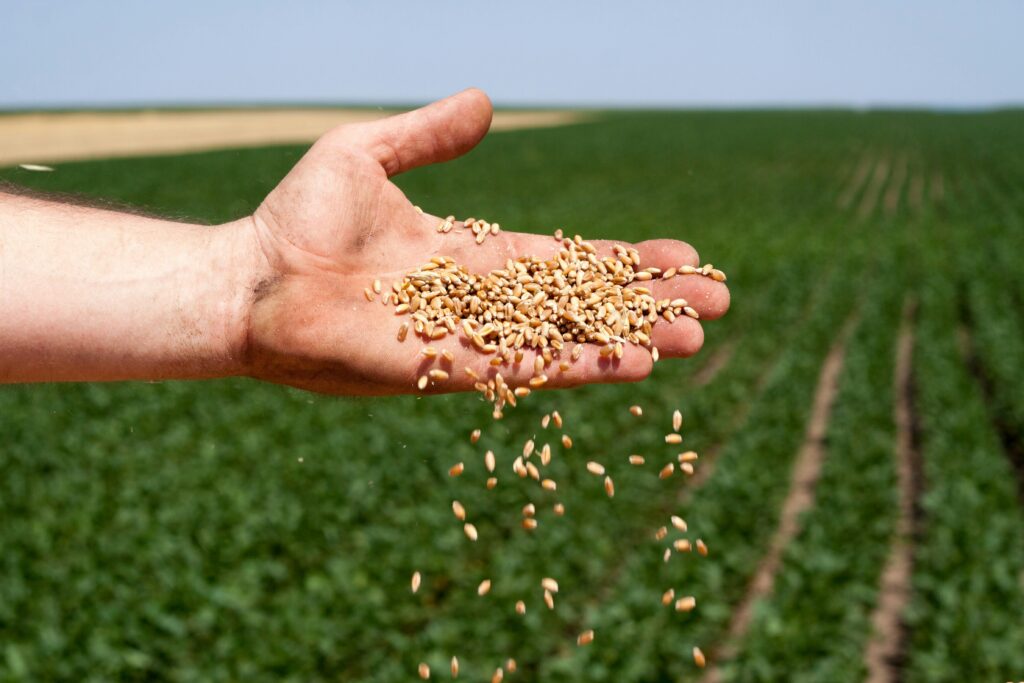
Wheat was consumed in the 19th century, and possibly even before then; however, the wheat consumed today is radically different from the original grain.
The original U.S. produced wheat was considered “soft wheat” up until the “hard spring wheat” was introduced by Central Europe. The hard spring wheat became the preferred wheat of choice due to its increase in gluten content, which in turn made fluffier and flakier baked goods (yummy, I know).
Wheat production (along with things like cereals, Cream of Wheat, and macaroni and cheese) dramatically increased in the 1960s and 1970s. With an even greater rise in the 80s and 90s when the fast food industries took off.
This heavy-gluten staple is the single most harvested crop worldwide; and unfortunately, has not come without consequence. Research now shows the link between a rise in global wheat consumption and a surge in leaky gut in the global population, along with other illnesses.
To top it off,wheat is sprayed with glyphosate – a weed killer – and a known carcinogen that further adds stress to our gut and our overall well-being.
I understand how hard it is to take a break from a comfort food as delicious as bread, especially freshly baked cookies and warm French bread (okay, I’ll stop), but the reward is like no other. Get your life back by removing grains from your diet and see how you feel! The possibilities for greatness will be at your hands!

2. GO OUTSIDE MORE
On a lighter note, start your year off with some sunshine (even on the chillier days). You don’t necessarily need to take out your picnic basket (although, why not?), but a good 15 minutes outside in the sun on a daily basis can dramatically shift your health for the better.
Endless studies are now showing the benefits of infrared light. In fact, a study showed that those who stayed indoors the majority of their life, that is, not going outside daily for those 15 minutes minimum, had the same level of risk of dying from cancer as those who smoked cigarettes on a daily basis – compared to those who were exposed to sunlight daily. Um, no thanks! Give me that sunshine, please.
You don’t need a fancy infrared light therapy device, even though that wouldn’t be a bad idea down the road. Simply setting a chair outside where the sun hits your face (but please don’t look at the sun directly) or walking around a sunny area for 15-20 minutes is more than enough to reap the benefits of beautiful sunshine.
What kind of benefits are we talking about here? Let me give you 5 benefits of sunlight, though there are many, many more:
- Generates the production of collagen (calling all the mommas out there!). Reduction in the appearance of fine lines, wrinkles, and scars.
- Improves circulation by dilating blood vessels for increased blood flow
- Stimulates your mitochondria (the powerhouse of the cell that produces energy to eat, digest, move, and sleep) for faster healing and recovery
- Reduces pain and inflammation, including joint stiffness and soreness
- Increases fertility
As you can see, we can all benefit from a little more sun. If a tan is of concern, try to aim to go outside before the sun is at its peak; so opt to get your sunshine dose earlier in the morning. Take advantage of nature’s medicine and bring your kiddos with you, too! They will benefit from the fresh air and sunlight as well.

3. READ MORE BOOKS
If you want a quick de-stresser just grab a good book! Research shows that reading for only 6 minutes can significantly lower stress by 68%! 68%!!! The key? Find a book you simply can’t put down and don’t be afraid to mix it up when it comes to genres. Plus, if you have kiddos at home, developing a reading habit of your own will only model the behavior for them and make them more likely to eventually pick up a book themselves. How wonderful would that be? Especially in our screen-driven world.
Take advantage of your local library. The majority of city libraries now have a digital library as well where you can check out e-books and audiobooks from your phone, for FREE. All you need is a library card!
Don’t know where to start or what genre of books to dive into first? I like the webpage Readaloudrevival.com for amazing booklists. Another tip is to search for elite readers on YouTube who share their latest book recommendations. Then make a list of your favorites and get ready to destress in 3, 2, 1…
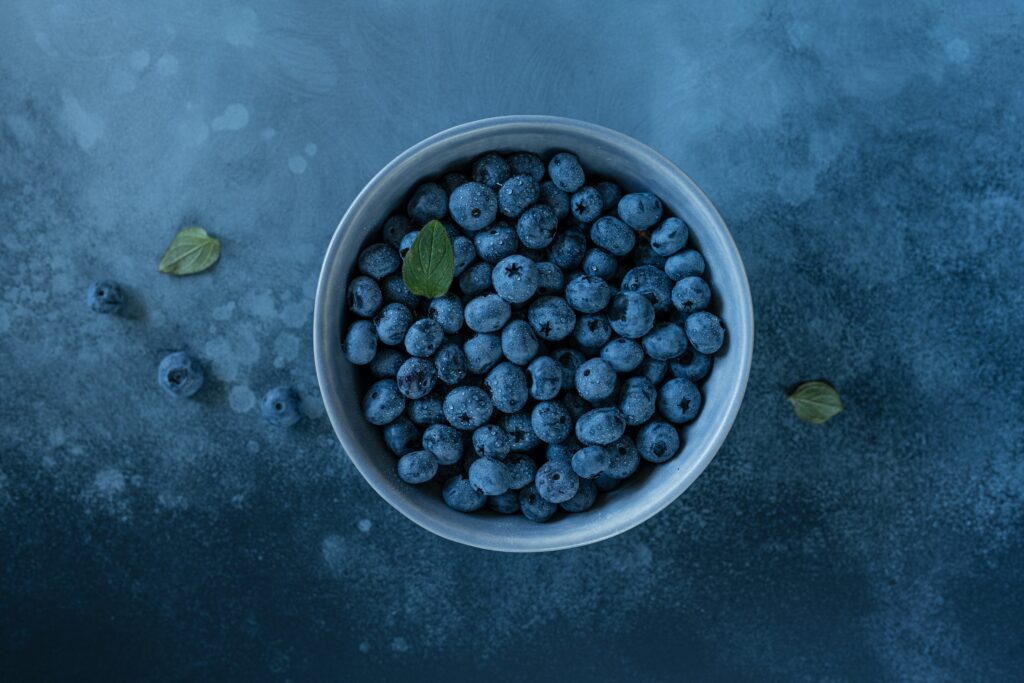
4. EAT MORE ALKALINE FOODS
Alright, again, not the most common of recommendations, but a good one. What is an alkaline food exactly and why does it matter?
The majority of the foods in the Standard American Diet (SAD) are considered acidic foods. Take for example: processed cheese, sugar, cocoa, coffee, soybean, and more. Compared to the more alkaline foods, such as: broccoli, herbal teas, lentils, berries, olive oil, coconut oil, sweet potato, onion, and more!
Why does it matter whether the foods we eat are more on the acidic side or alkaline side? To put it simply, acidosis (an overload of acidity in the body) is a common link to over 150 degenerative diseases. To prevent further complications, a balance of more alkaline and neutral foods is best.

5. SLOW DOWN
If we are on a mission to building wellness in 2026 then this last one may be the most important.
Don’t forget to slow down.
In this fast-paced world of ours we are constantly being pushed to do more, to be more, to sacrifice more…
With the highest rate of autoimmune disease in history perhaps slowing down is the secret sauce to healing.
Slowing down will look different for everyone, of course, and perhaps others in the family unit may need to slow down, too. Less extracurricular activities may mean more downtime for the whole family. Inviting moments of more conversation, more connection, more memories.
P.S. While we’re in this topic, I would like to recommend:
“In Praise of Slowness” by Carl Honore
A truly eye-opening and motivating read.
Alright, well there you have it. With these five tips to a better year you are off to an amazing start. Think of this list as your multi-faceted approach to a new page in your wonderful story. A page where for the first time in a while you put yourself first. Not in a selfish, I-matter-more-than-you-do way but in a loving way. Consider this your first step to a healthier and better you. You can do this.
See you in the next one,
Lili